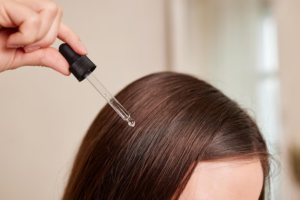


When it comes to hair health, most people focus only on what they see on the surface. Shiny strands, thickness, length, and texture often get all the attention. However, real hair health begins below the surface, at the scalp. Every hair strand grows from a follicle located beneath the skin, making scalp health one of the most important yet overlooked factors in hair growth.
A balanced, nourished scalp creates the right environment for hair to grow strong, thick, and resilient. When the scalp is neglected, hair concerns such as hair fall, thinning, dandruff, or slow regrowth often follow.
Why Scalp Health Matters
The scalp is an extension of the skin and functions as a living ecosystem. It contains hair follicles, oil-producing glands, nerves, and blood vessels that work together to support hair growth. If this system is disrupted, hair quality and growth cycles are affected.
Healthy follicles are essential for producing strong hair strands. When the scalp becomes congested, inflamed, or poorly nourished, follicles weaken, leading to increased shedding and slower regrowth.
The Role of Natural Oils
Sebum is a natural oil produced by sebaceous glands connected to hair follicles. It forms a protective barrier that keeps the scalp moisturized and shields it from environmental damage.
When sebum production is balanced, the scalp remains comfortable and protected. Too little oil can cause dryness and itching, while excess oil may clog follicles and lead to irritation or scalp breakouts. Maintaining this balance is key to a healthy scalp and smoother hair growth.
Keeping the Scalp Clean and Balanced
Environmental pollution, sweat, styling products, and buildup can irritate the scalp over time. Regular cleansing helps maintain hygiene and prevents blockages that can interfere with hair growth.
Managing Dandruff
Dandruff is one of the most common scalp issues. It can be triggered by dryness, product sensitivity, or microbial imbalance. Flakes and irritation can block follicles and weaken hair roots. Addressing dandruff early helps restore scalp balance and improves overall hair health.
Nutrition and Scalp Health
What you eat directly impacts your scalp and hair. Nutrients such as biotin, vitamin E, omega-3 fatty acids, iron, and protein support healthy skin and follicles. A balanced diet contributes to improved scalp condition, reduced hair fall, and healthier regrowth over time.
Everyday Habits That Support Scalp Health
Small daily habits can make a big difference in maintaining a healthy scalp:
Wash hair regularly, usually two to three times a week, based on hair type
Massage the scalp gently to encourage circulation
Use hair care products suited to your scalp and hair needs
Manage stress through relaxation techniques and physical activity
Avoid sharing combs, towels, or personal hair tools
Use soft pillow covers to reduce friction and hair breakage
Final Thoughts
Healthy hair does not start with styling products or treatments alone. It starts with caring for the scalp. When the scalp is clean, nourished, and balanced, it creates the perfect environment for hair to grow stronger and fuller.
Understanding scalp health allows you to address many common hair concerns at their root. Combining good scalp care practices with professional guidance can significantly improve long-term hair growth and overall hair quality.